Motherhood beyond sacrifice

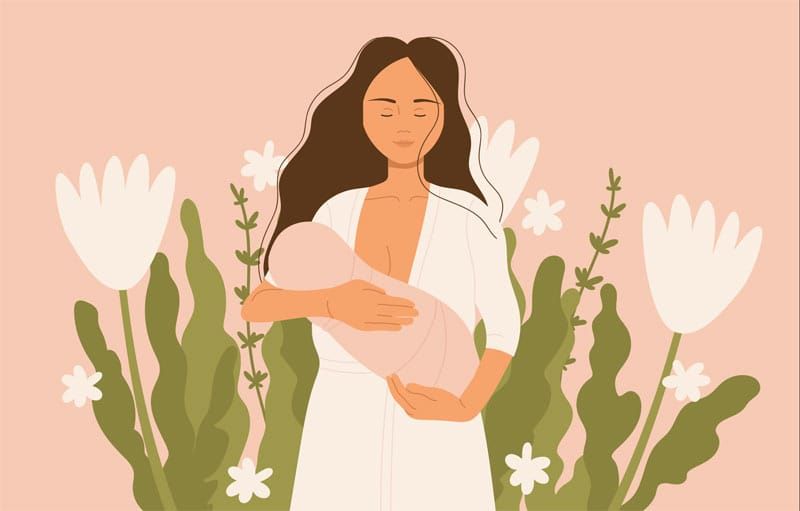
On every Mother's Day, we celebrate mothers for their endless love, patience, strength, and sacrifices. Across generations, motherhood has often been defined by quiet giving, the kind that asks for nothing in return. Our mothers and grandmothers woke up before everyone else and slept after everyone else. They remembered every little detail about the family while forgetting pieces of themselves. They served the warmest food to others and ate what was left behind. They carried responsibilities silently, stretched limited resources endlessly, and made love look effortless even when it came with exhaustion.
For many women, this became the definition of being a “good mother.” Sacrifice was not just expected, it was praised, inherited, and passed down from one generation to the next. Daughters grew up watching mothers put themselves last, and somewhere along the way, selflessness became so deeply tied to motherhood that self-neglect started to feel normal.
And there is deep beauty in the love mothers have given this world. Families are built on that care. Generations survive because women showed extraordinary resilience, often in circumstances where they had little support and even less recognition. Their sacrifices deserve respect, gratitude, and remembrance.
But perhaps one of the most important lessons we can pass on now is this: love should not require a woman to disappear.
The next generation must inherit not only the strength of mothers, but also the permission for mothers to love themselves too.
Because motherhood was never meant to be a lifelong act of silent depletion. It is not about proving love through exhaustion. It is not about always eating leftovers, abandoning personal dreams, never resting, or becoming invisible within your own home. A mother is not “less loving” because she chooses herself sometimes. In fact, self-love teaches some of life’s most valuable lessons.
When children see their mother respecting herself, they learn self-worth.
When they see her resting, they learn that care is important for everyone.
When they see her pursuing hobbies, friendships, goals, and joy, they learn that women are complete human beings, not just caregivers.
For generations, many mothers taught love through sacrifice. Perhaps this generation can also teach love through balance.
We can teach our daughters that caring for others should never come at the cost of abandoning themselves. We can teach our sons that mothers are not machines built only to serve, but people deserving of care, appreciation, rest, and emotional support.
Self-love is not selfishness. It is dignity. It is health. It is teaching future generations that a woman’s identity matters even after she becomes a mother.
The most powerful thing we can normalize for the future is not exhausted motherhood, but fulfilled motherhood, mothers who are loved loudly, supported fully, and encouraged to remain connected to who they are beyond their roles.
Because a happy mother is not a guilty mother.
A mother who chooses herself sometimes is not failing her family.
And a woman does not have to lose her identity in order to prove her love.
Maybe that is the legacy worth passing down now:
Mothers can nurture others while nurturing themselves too.